

The Digital Automation has transformed the whole ecosystem making our lives more convenient and rapid. The Fascinating technologies of AI automation and internet of things are slowly and steadily incorporating our everyday lifestyle. Many industries have transformed themselves from physical media to the invisible experience of digital touch, services like music that went from vinyls to Spotify playlists has completely erupted the musical experience.
Claude AI is yet another powerful example to illustrate on how algorithms and codes are transforming the way you manage your everyday task, a prompt generative content engine that started as research tool is now your work manager aiding you on day-to day decisions. Helping us understand that the Next Big thing is just a prompt away from integrating itself to every digital bits of your life.
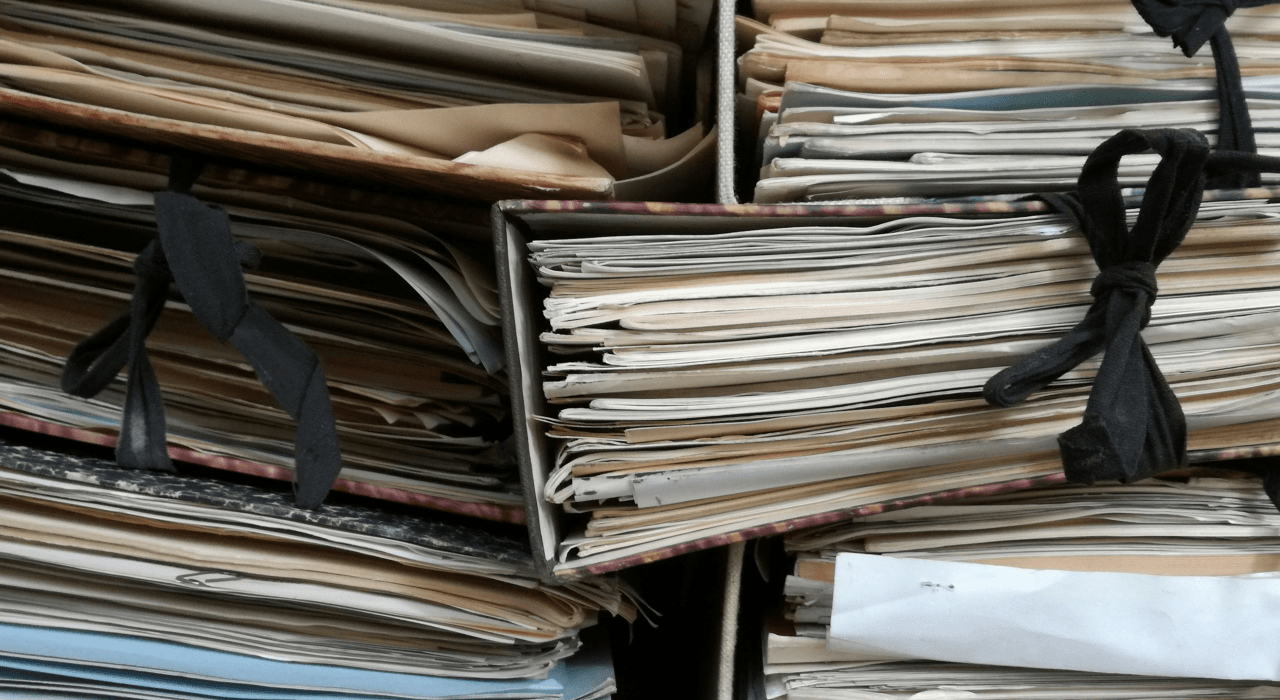
Even though this speed is accelerating on a high rate, there exists a tremendous amount of infrastructure that still clings on to traditional methods with outdated ideas and technologies. For an example, most companies service workflow remains unorganised practicing the old tradition art of storing and signing the documents in physical manner. This may not sound like much of a distress to companies but it creates a vast amount of delays and inefficiencies in transparency and operational trust.
Consider another example, the old Manufacturing units whose businesses are still ran over broken promises and half gained trust, even though this start of any business transactions runs on fake-promises, still the culture proceeds further without a structured workflow.
It is not like this gap wasn’t looked upon and solved, many tech-savvy users indulged themselves into creating a solution to solve such framework. Companies were incorporated to minimise the workflow by enabling the digital signatures for your contract, the absence of a full digital automation of this contact workflow like sending, signing and storing still remains.
Considering the changes that were made, transitioning a physical execution to a digital one, documents being stored into verified records; all these changes still resulted in inadequate differences which in return couldn’t solve the problem on a larger basis. Such companies fixed a fraction of a bigger problem. Today companies using these services may have digitalised records but still face issues to operationalise legal documentation on a larger scale. Acknowledging this situation, the real need remains. A concrete and trustable platform where your documents can not just be recorded but also be created, executed and managed remains.
To summarise this perspective, the digitisation of signing and storing the same along with the contracts are still a generation away from integrating its part in our developing country, even though entities have made an attempt to address and fix such issues, however their efforts lacked at properly designed thinking to fix such problems, the absence of an entire digitalised ecosystem creates opportunities to make this condition better and flourish for not just for the users but also the economical betterment of India.
 17/06/2026